
How to Start a Garden in Burlington, Ontario

Burlington's climate and soil make it a genuinely good place to garden — but "good conditions" and "easy to start" aren't quite the same thing. If you're working with your first backyard bed this year, here's what actually matters before you put a shovel in the ground.
Know Your Growing Zone
Burlington sits in Plant Hardiness Zone 6b, with a growing season that typically runs from mid-May (after the last frost) through early October. That gives you roughly 140-160 frost-free days — enough for most vegetables to fully mature, but timing still matters. Starting seeds too early risks a late frost setting you back; starting too late shortens your harvest window, especially for anything that needs a long season, like tomatoes or squash.
Check the average last frost date for your specific area before transplanting anything tender outdoors — it can shift slightly depending on whether you're closer to the lake or further inland.
Test and Understand Your Soil
A lot of new gardens struggle not because of what's planted, but because of what's underneath. Burlington's soil varies by neighbourhood — some areas lean clay-heavy, others sandier — and clay soil in particular is common in older, established parts of the city.
Before planting:
Do a simple squeeze test — if soil holds a tight ball and doesn't crumble, you're likely dealing with clay
Work in compost or triple mix to improve drainage and structure, especially in raised beds or new plots
Consider a soil test if you're planning to grow food long-term — it'll tell you pH and nutrient levels rather than leaving you guessing
Choose a Layout That Matches Your Space
Not every backyard needs a sprawling plot. A few approaches that work well in typical Burlington lot sizes:
Raised beds — better drainage, warms up faster in spring, and easier to control soil quality from day one
Border gardens along a fence line — makes use of otherwise unused space without eating into a yard used for other things
Container gardening — a solid option for renters, smaller yards, or anyone testing the waters before committing to a permanent bed
If you already have a section of yard that gets strong afternoon sun, that's usually your best starting point regardless of layout — most vegetables need at least 6 hours of direct sun to produce well.
What to Plant First
For beginners, a few reliable options for this region:
Leafy greens (lettuce, spinach, kale) — fast-growing, forgiving, and tolerant of Burlington's cooler spring temperatures
Tomatoes and peppers — need the full season, so start indoors or buy transplants rather than direct-seeding
Herbs (basil, parsley, chives) — low-maintenance and useful almost immediately once established
Root vegetables (carrots, beets) — do well direct-seeded once soil has warmed
Local Resources Worth Knowing
Burlington has a few community resources that make starting out easier than doing it alone:
Community garden plots through the City of Burlington, for those without yard space
Seasonal plant sales and swaps through local gardening groups, often a good source of established perennials
For plants and soil, a few local garden centres worth visiting in person rather than relying on big-box seedlings shipped in from elsewhere:
TERRA Greenhouses — grows much of its own stock in Southern Ontario, good for fresh, locally-produced plant material
Northland Nursery — consistently well-reviewed for plant variety and selection
Harper's Garden Centre — a staple for general garden supplies and seasonal plants
Connon Nurseries — long-established grower and wholesaler with a strong selection for both home gardeners and landscape professionals
Buying locally grown stock from these kinds of nurseries tends to mean hardier plants that are already acclimated to the Burlington area, rather than seedlings trucked in from a different climate zone.
Give It Time
The biggest adjustment for first-time gardeners isn't usually technique — it's patience. A new bed often takes a full season or two before soil and plants settle into a rhythm. Starting small, with a manageable section rather than the whole yard, tends to produce better results than an ambitious first attempt that's hard to maintain.

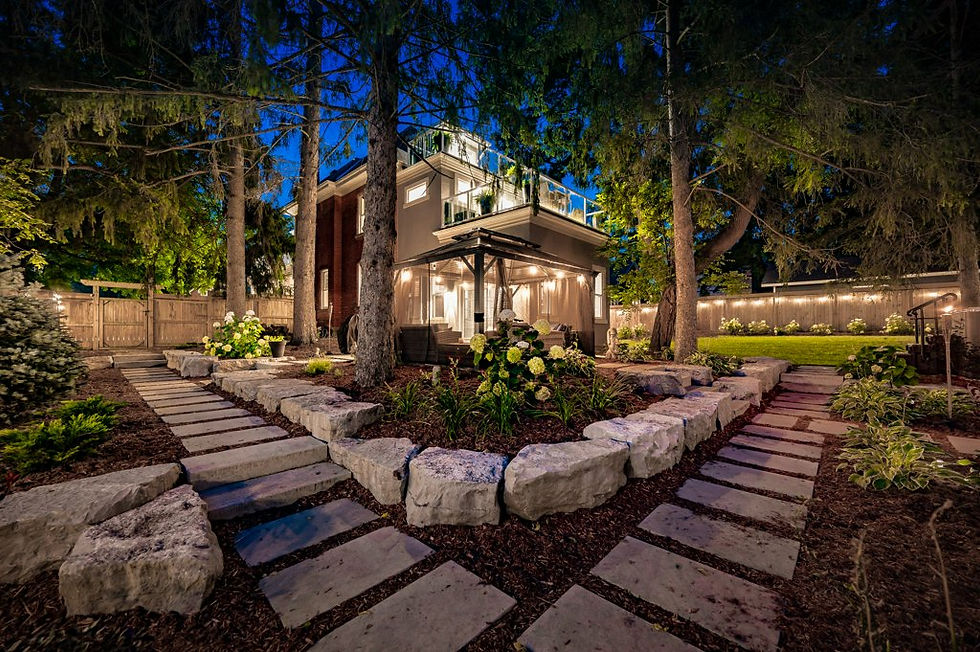
Homes with the space and setup to actually garden well don't come up all the time — 2407 St. Francecs Drive in Burlington's Mountainside community is one example, with a mature lot, established vegetable garden, and full sun exposure already in place.

Comments